Why Grandus Builds for Peace: A Look at Our Biophilic Design Approach
Life in India’s major cities moves at an unforgiving pace. Traffic, constant noise, and long workdays blur together until even home starts to feel like another concrete box in the middle of it all. Many city residents wonder if peace is even possible when every square foot of urban space feels rushed, crowded, and cut off from nature.
This isn’t just a passing feeling. Across India’s major cities, green spaces are shrinking while daily stress keeps rising. Parks and tree cover that once offered a pause from traffic and noise are getting harder to find, leaving residents with fewer ways to recharge.
At Grandus, we believe it doesn’t have to be this way. A home should do more than provide shelter; it should restore balance after the day’s demands. That’s why our design philosophy is rooted in a simple but powerful principle: biophilia, the human need to connect with nature.
But what does that actually look like in practice? How do you take something as vast as “nature” and weave it into the walls, windows, and everyday rhythms of a home? That’s where biophilic design comes in.
What Is Biophilic Design?
Biophilic design is based on a straightforward idea: people feel better when they are close to nature. The term biophilia was made popular by biologist E.O. Wilson, who argued that humans have an inborn need to connect with the natural world.
Around the world, biophilic design has shaped inspiring spaces. For example, Singapore’s Changi Airport Terminal 2 was redesigned to bring in greenery, water features, and natural materials, creating a calming, nature-infused atmosphere for travelers.
In Seattle, Amazon’s Spheres include more than 25,000 plants and a 60-foot living wall, giving employees a workplace that feels like a rainforest instead of an office.
The same principle can be applied at home, where design choices decide whether a space feels boxed in or alive. And at Grandus, we help do just that. Biophilic design is at the core of how we build, creating homes where peace isn’t left to chance, but is built into the design itself.
The Benefits of Biophilic Design
Here are some of the benefits that shape our approach, and the reason biophilic design will always be at the core of what we build:
Lower Stress, Better Mental Health
City life can be overwhelming. But access to greenery and natural light makes a measurable difference. According to the Frontiers Publication, biophilic environments reduce hospitalization times, lower pain, and improve overall well-being for both patients and caregivers.
Improved Focus and Productivity
The same principles that calm the mind also help us focus. Workplaces with natural elements report a 15% increase in well-being and a 15% boost in creativity compared to spaces without them.
Even at home, better natural light and views can translate into improved concentration and energy.
Faster Recovery and Better Health Outcomes
According to the National Library of Medicine, research in this field showed that hospital patients with a view of trees recovered almost a full day faster and required 22% less pain medication than those who didn’t.
If nature can support healing in hospitals, imagine what it can do in everyday living spaces.
Higher Property Value
Biophilic design isn’t just good for well-being, it’s also a smart investment. Homes with landscaped surroundings sell for up to 7% more, properties with water views for 58% more, and waterfront homes for as much as 127% more. A home that nurtures peace also holds long-term value.
Sustainability and Energy Savings
Green walls, shaded terraces, and smart ventilation don’t just look good; they reduce costs. Research by Curtin University Sustainability Policy Institute shows biophilic features can cut heating and cooling needs by 25%, while reducing temperature swings indoors by 50%. For us at Grandus, this means building homes that lower energy costs month after month, reduce environmental impact, and make sustainable living feel effortless.
Why This Matters for Urban India, and for Us
Life in Indian metros has become faster, louder, and more demanding. From traffic jams to packed workdays, most of us end up spending our time in concrete surroundings with very little connection to nature. Over time, this constant pace takes a toll; we feel drained, restless, and cut off from the calm that green spaces naturally bring.
This is where design makes a real difference. A home shouldn’t just be a place to sleep at night; it should restore balance after the chaos outside. That is what drives us at Grandus. By weaving nature into the structure of our homes, we aim to give city residents a daily sense of calm, without asking them to compromise on convenience or modern living.
For us, it’s not only about building apartments. It’s about building a way of living where peace is part of the everyday—something people in our cities are searching for, but rarely find.
Our Biophilic Design Principles at Work
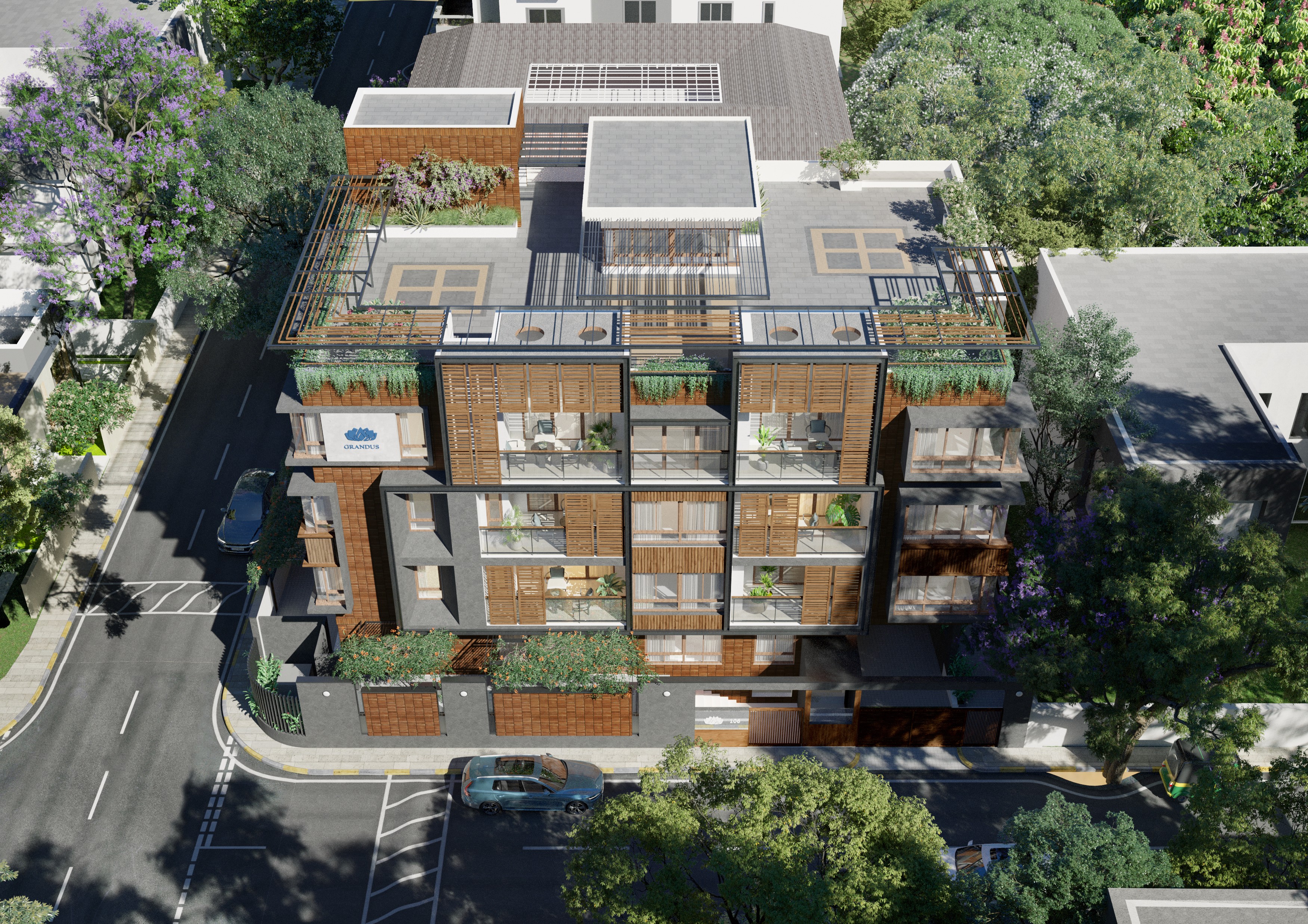
When we talk about biophilic design, it’s not an abstract idea; it’s built into every Grandus project. A great example is Grandus Sanctuary, where intelligent planning, thoughtful luxury, and nature come together seamlessly. From sunlit work nooks to private sky decks and landscaped reflexology trails, every detail is crafted to create calm within the city. Families that live here don’t just find a home; they find daily moments of calm woven into their routines.
It’s the same approach we bring to every Grandus project: thoughtful layouts, green balconies, and shared spaces that prioritize wellbeing as much as convenience. By putting nature at the heart of design, we’ve seen firsthand how it transforms the quality of life for residents.
Here’s how we bring these principles to life across our homes:
Light-filled spaces: We design layouts that maximize daylight through large windows, open corridors, and glass panels. Natural light becomes the default, not an afterthought.
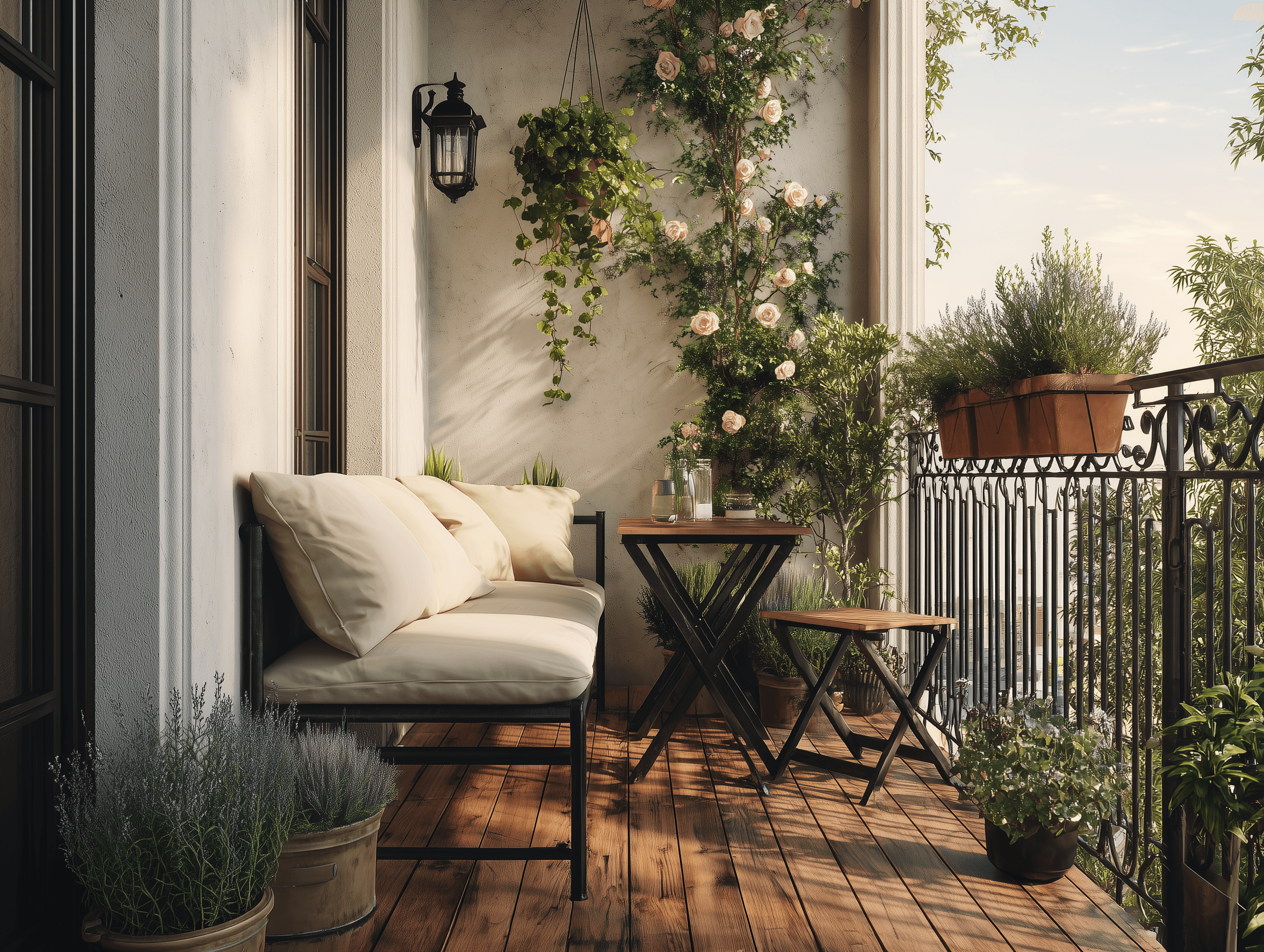
Green balconies and terraces: Every home has access to greenery, whether it’s a planted balcony, a rooftop garden, or landscaped shared spaces that residents can enjoy every day.
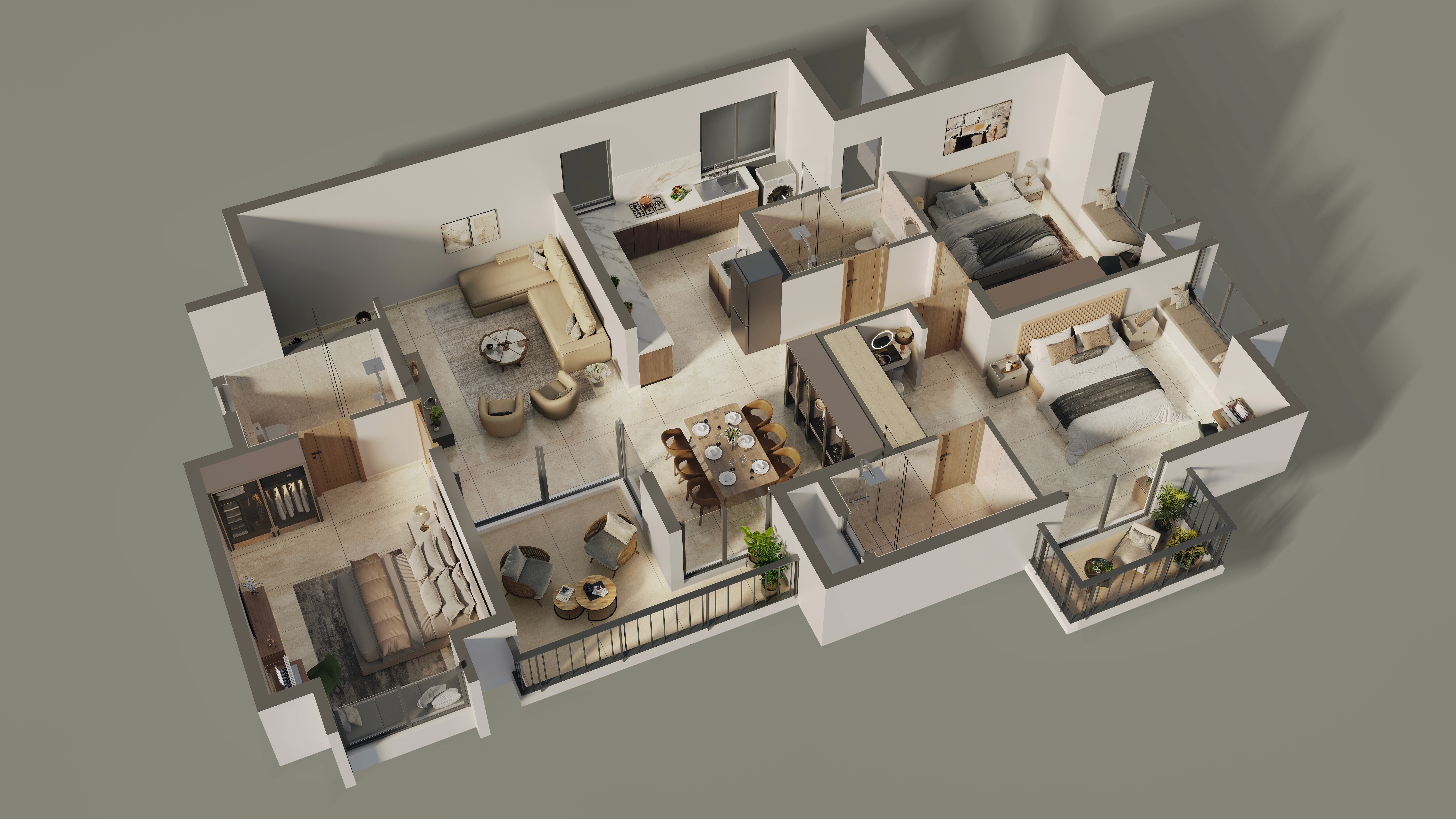
Open, flowing layouts: Our floor plans are designed for openness. Instead of boxed-in rooms, we create spaces that feel connected to the outdoors, with views that highlight trees, gardens, and sky.
Quiet corners: Beyond common areas, we intentionally design smaller, calm nooks; spaces where residents can read, reflect, or simply pause, away from the noise of the city.
For us, these choices are not about luxury features. They are about making peace a daily experience for every resident.
How You Can Bring Biophilic Design Into Your Own Home
Biophilic design isn’t limited to new projects; it’s a way of living. Wherever you are, you can apply its principles to make your surroundings more peaceful and connected to nature. Here are a few ideas:
Add plants where you can: Even a few indoor plants on your desk, balcony, or windowsill can make a difference in reducing stress and improving air quality.
Use natural light: Keep curtains open during the day, rearrange furniture to sit near windows, and choose light colors that reflect sunlight.
Choose natural textures: Simple switches like wooden furniture, stone accents, or cotton and linen fabrics can make your home feel more grounded.
Create a green corner: Dedicate a small space to plants, books, or quiet reflection. This doesn’t require a large balcony, just a thoughtful spot to pause.
Bring in nature sounds and scents: Soft music inspired by nature, or even natural fragrances like lavender or sandalwood, can create a calmer environment.
Biophilic design isn’t limited to architecture. It’s about making choices that connect you to nature in your everyday surroundings, no matter the scale.
Building Peace Into Everyday Living
City life isn’t slowing down. The traffic, the deadlines, and the endless noise aren’t going away anytime soon. But the way we design our homes can change how we experience all of it.
At Grandus, we believe the future of housing in India must go beyond concrete and glass. By designing homes where nature is part of daily life, we give residents places that restore energy, spark creativity, and bring people together.
For us, this is not just about architecture. It’s about reimagining urban living so that people don’t have to choose between convenience and well-being. Our belief is simple: peace should be built into the place you live.